
Explore the heart of the Inca Empire with our custom Machu Picchu tours from Cusco. Whether by train or a private trek, we offer authentic experiences designed to show you the magic of the Andes in 2026.
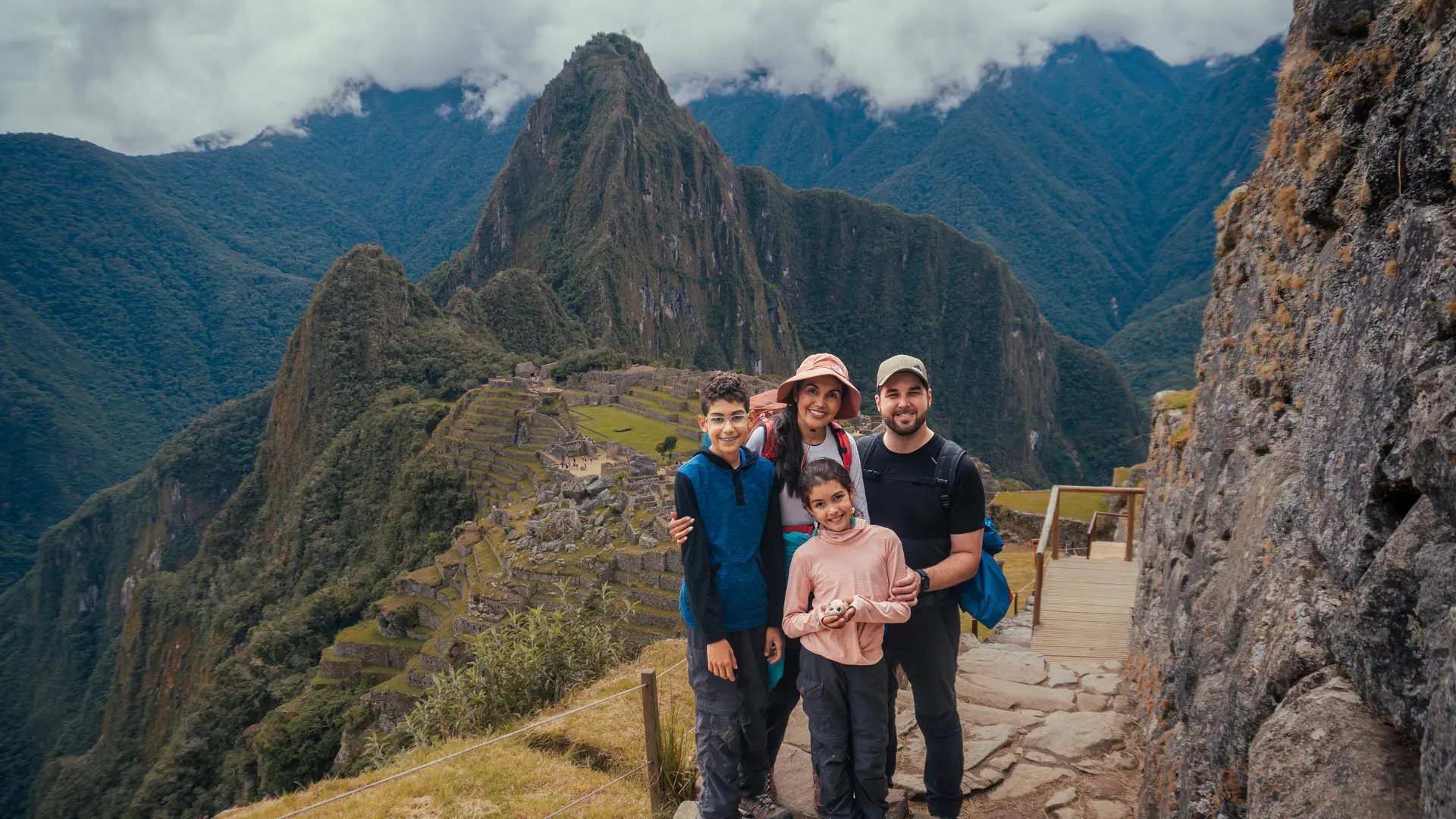


Uncover the True Magic of Machu Picchu
Machu Picchu is more than an ancient ruin it is a masterpiece of Inca engineering and spiritual design. Reaching this wonder of the world requires careful planning and a deep understanding of its history. We dedicate ourselves to making your journey to the Inca citadel an immersive and unforgettable experience connecting you directly with the vibrant energy of the Andes.
Official Machu Picchu Operator
We are a direct operator authorized to guide you through the sacred gates of Machu Picchu. By handling all the logistics directly we ensure a seamless and premium journey to the most iconic archaeological site in South America.
Personalized Machu Picchu Itineraries
Every traveler experiences the Inca citadel differently. We design custom itineraries that match your pace allowing you to explore the temples terraces and hidden viewpoints of Machu Picchu exactly the way you imagined.
Sustainable Machu Picchu Exploration
Protecting the fragile ecosystem and heritage of Machu Picchu is our top priority. We operate with eco friendly practices and small groups to ensure this wonder of the world remains pristine for future generations.
Best Machu Picchu Tour Packages and Hiking Tours
Our selection of Machu Picchu tours offers a deep dive into the history and landscapes that make the Andes unique. These packages go beyond the typical visit, taking you through breathtaking valleys and ancient Inca trails where you can truly connect with the vibrant Andean culture and local customs of Peru. All visits require an official entry ticket managed by the Peruvian Ministry of Culture.
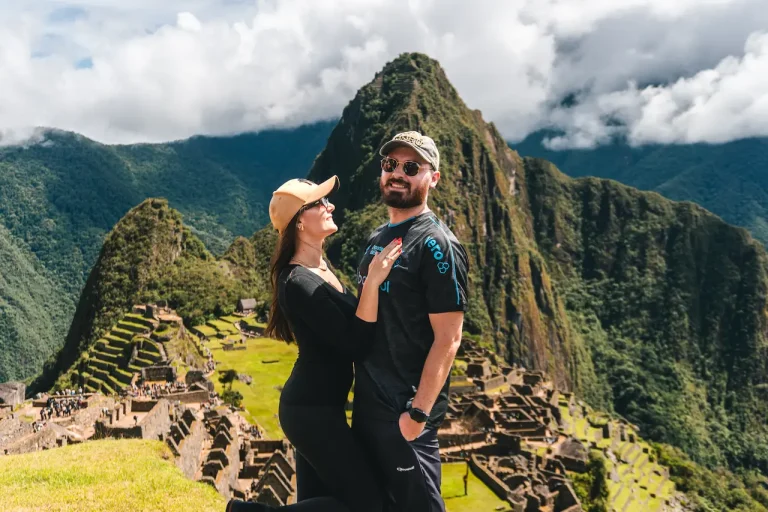
Full Day
Short on time? Join the best Machu Picchu day trip from Cusco. This Machu Picchu tour by train is a seamless 1 day journey with hotel pickup, scenic r...
PRICE FROM
365 USD
/ Per person
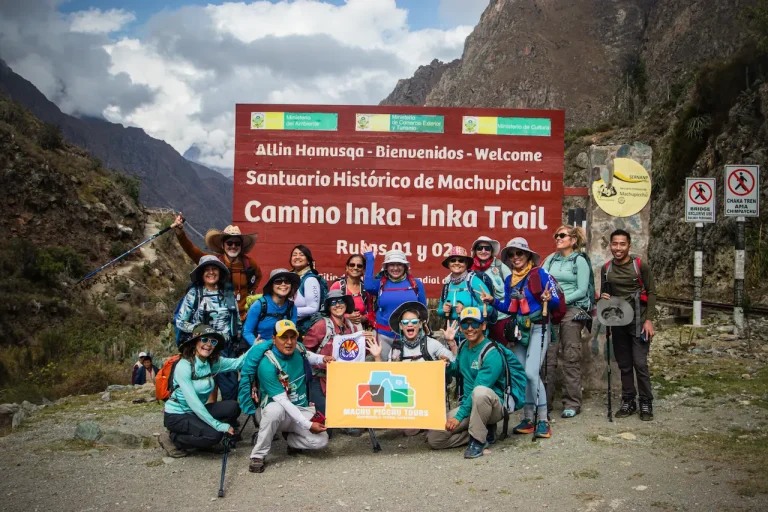
4 days
Embark on the legendary Classic Inca Trail (4 Days / 3 Nights). This is the only trek in Peru that leads you directly into Machu Picchu through the hi...
PRICE FROM
790 USD
/ Per person
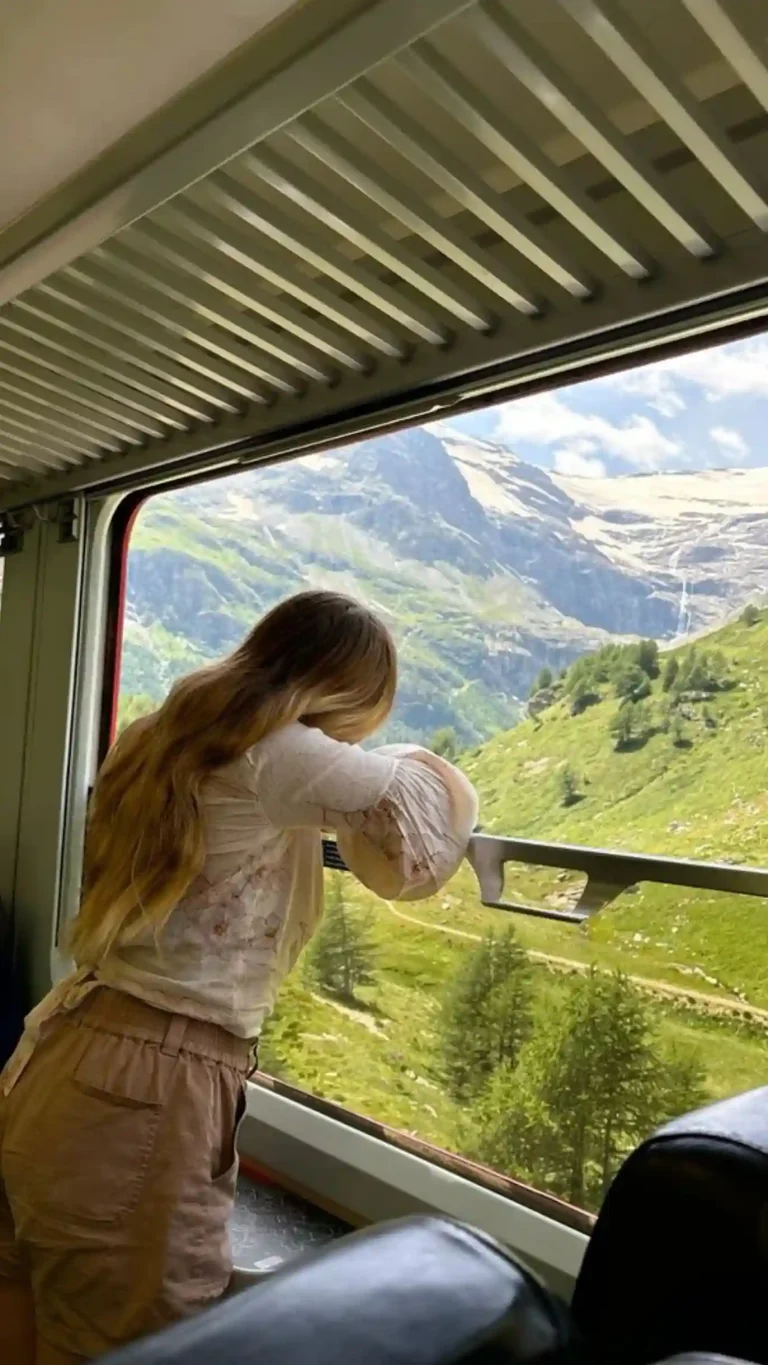
2 days
For travelers who demand absolute perfection and unrivaled comfort this machu picchu luxury tour delivers a completely seamless five star journey into...
PRICE FROM
3200 USD
/ Per person
2 days
If you are planning a trip to Peru figuring out exactly how to get from sacred valley to machu picchu can be super confusing. We built this specific 2...
PRICE FROM
490 USD
/ Per person
2 days
Climbing the towering peak that stands behind the ancient Inca citadel is the ultimate bucket list achievement for active travelers. However securing ...
PRICE FROM
495 USD
/ Per person

5 Days
There is something adventurous about going on a long trek to visit an ancient civilization. If this is something that you would love to experience and...
PRICE FROM
650 USD
/ Per person

Expert Machu Picchu Tour Operators
As a leading local travel agency in Peru, we specialize in creating custom Machu Picchu tours that fit your travel style. From intimate small group excursions to exclusive private journeys, our team of experts designs the perfect itinerary to ensure your vacation in the Andes is seamless and unforgettable.
Discover our best Cusco and Machu Picchu tours
Cusco is the heart of Peru, famous for its rich history, vibrant culture, and stunning landscapes. To help you plan your perfect adventure, we have designed these specialized Cusco tours and trekking experiences. Explore our categories below to find the journey that best fits your travel style.

Full day
Experience the Inca Trail to Machu Picchu Full Day, a short yet thrilling hike through ancient ruins and breathtaking landscapes, ending at the iconic Sun Gate....

2 days
We present the frequently asked questions from our satisfied customers about the 2 day Machu Picchu tour from Cusco....

2 days
Hike the Short Inca Trail 2 Days and experience the beauty of the classic route in less time. Walk through breathtaking landscapes, explore ancient ruins, and arrive at Machu Picch...
Machu Picchu Travel Guide
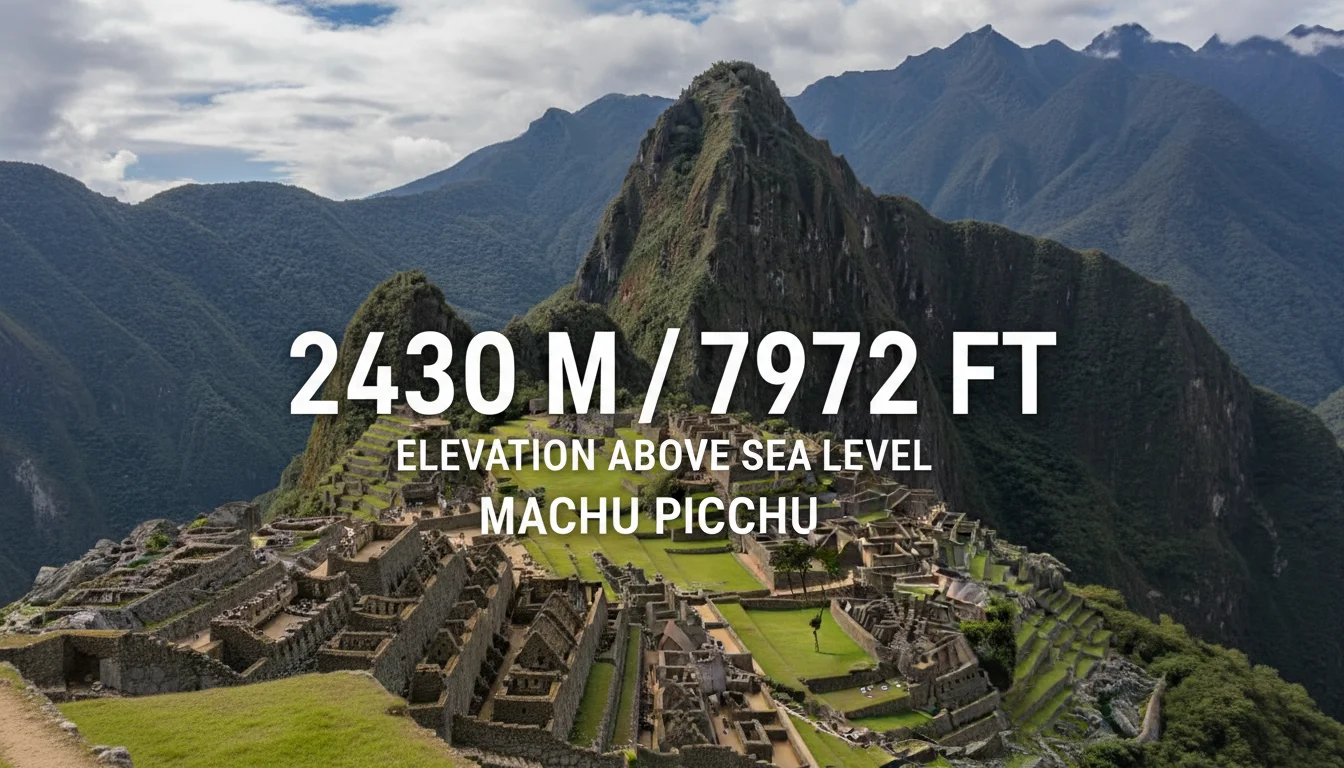
Immerse yourself in the historical majesty of the Inca capital, where ancient megalithic foundations meet vibrant Andean culture and colonial elegance. This guide explores the high altitude wonders of the Sacred Valley, offering essential tips for navigating Cusco’s cobblestone streets and hidden archeological gems. From the spiritual energy of Machu Picchu to local culinary traditions, discover why this UNESCO World Heritage site remains South America’s premier destination.

Discover the best tours
Cusco is second most visited city in Peru because of its rich history, strong culture and beautiful landscapes. Don’t miss out on this Cusco Tours we designed especially for you.

The most complete Cusco and Machu Picchu tour. This 5 day Machu Picchu tour package includes the Sacred Valley, the Capital of the Incas, and a full guided visit to the citadel. Id...
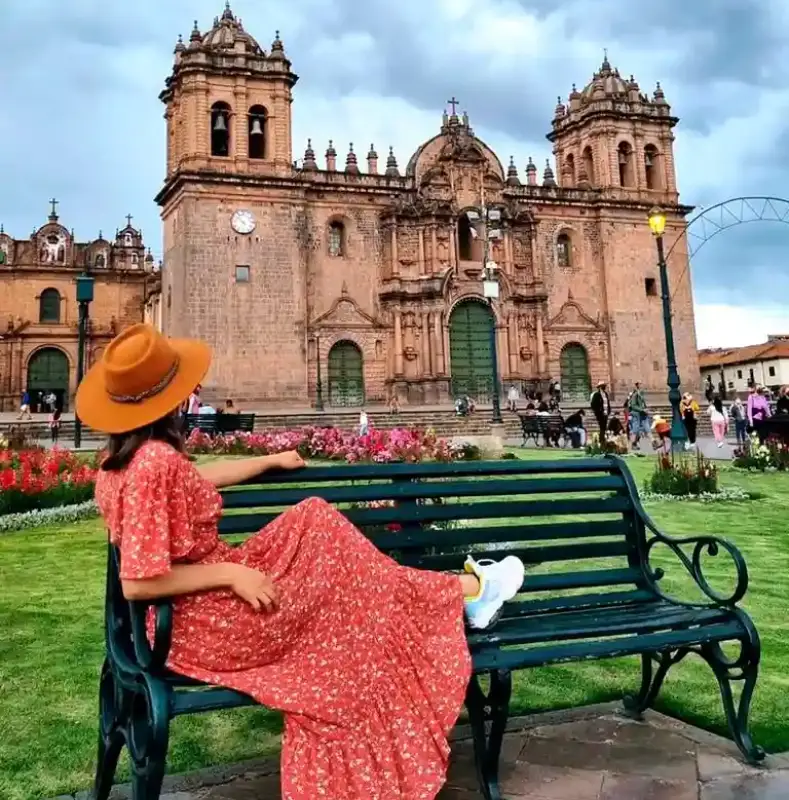
8 days
The Cusco to Puno tour by Machu Picchu is designed to offer you a deeper insight into the Inca civilization and the prominence of the archaeological complex in Cusco and en route ...

South Peru Tours offers expertly guided adventures to Machu Picchu, the Sacred Valley, Lake Titicaca, and more. Explore breathtaking landscapes, rich culture, and unforgettable exp...
2 days
Hike the Short Inca Trail 2 Days and experience the beauty of the classic route in less time. Walk through breathtaking landscapes, explore ancient ruins, and arrive at Machu Picch...
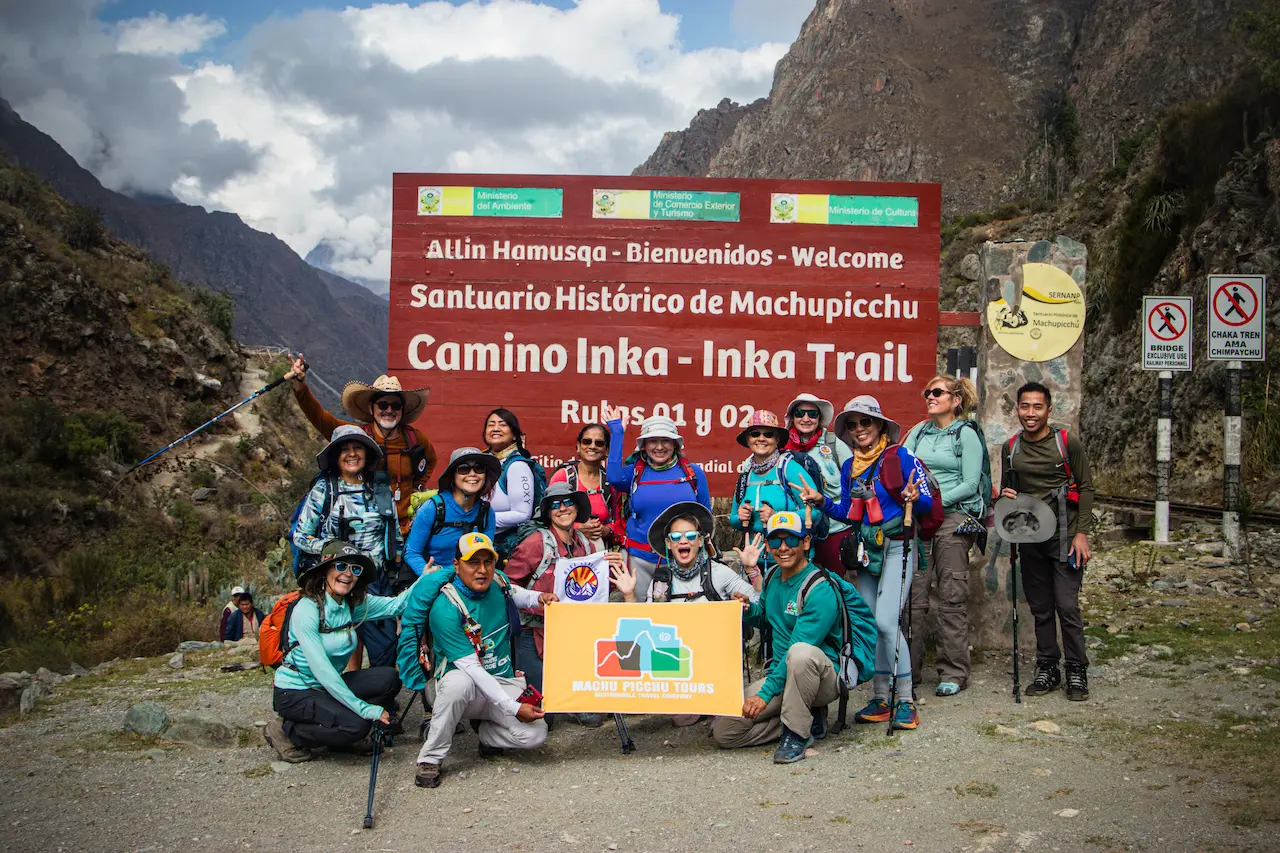
4 days
Embark on the legendary Classic Inca Trail (4 Days / 3 Nights). This is the only trek in Peru that leads you directly into Machu Picchu through the historic Sun Gate (Inti Punku). ...

4 days
Discover the most authentic Machu Picchu hiking tour through the Lares Valley. This 4 day adventure combines Andean culture, remote villages, and natural hot springs, offering a un...

2 days
Experience the beauty of the Humantay Lake Salkantay 2 Days trek, hiking through breathtaking mountain landscapes and visiting the stunning turquoise waters of Humantay Lake. A per...
5 Days
There is something adventurous about going on a long trek to visit an ancient civilization. If this is something that you would love to experience and have the time to do it, then ...

7 days
Combine two epic hikes on the Salkantay Inca Trail 7 Days, trekking through stunning glaciers, lush cloud forests, and ancient Inca ruins before reaching the legendary Machu Picchu...

Machu Picchu Tour Operators
Selecting the right Machu Picchu tour operators is essential for a truly authentic experience. With our expert local guides, personalized itineraries, and reliable service, you can focus on enjoying the history and beauty of the Andes while we take care of every detail to ensure a safe and unforgettable journey.
Why Choose Us for your Machu Picchu Adventure?
As local experts in Cusco we design guided experiences that go beyond the typical tourist path. Our team stands out for offering intimate groups and a seamless door to door service starting from your hotel. With our local guides you will connect with the living history of the Incas during all our machupicchu tours.
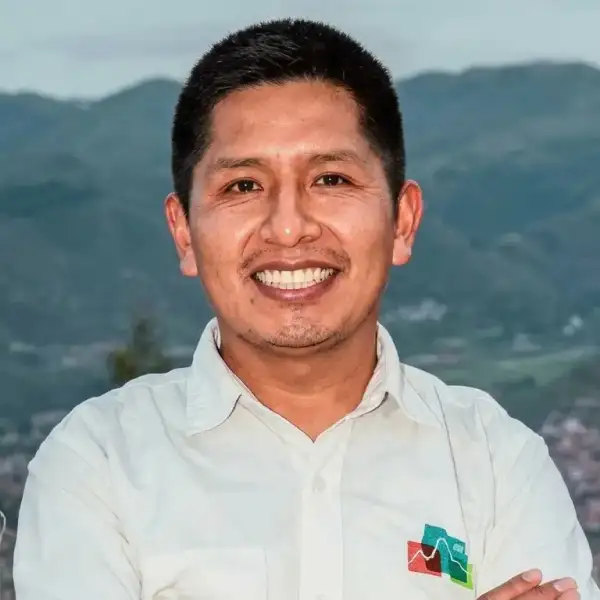
Founder of Machu Picchu Tours Travel Agency
Born and raised in the city of Cusco, John Taqquere is a professional Machu Picchu guide and the founder of Machu Picchu Tours Travel Agency. With over 14 years of active field experience leading expeditions through his homeland, John combines deep rooted local knowledge with a talent for sharing authentic, insightful, and memorable travel experiences.
Unmatched Quality in Our Machu Picchu Tours and Services
At Machu Picchu Tours, our mission is to provide the highest standard of service for every traveler seeking to discover the world’s most iconic wonder. Our commitment to excellence is reflected in every detail: from expert professional guiding and premium transportation to seamless logistics and 24/7 personalized support. Our booking terms and conditions

Expert Guides
When you stand before the Lost City of the Incas the difference between a good trip and a life changing experience is the person standing next to you. Here is why our guides are the gold standard for your journey.
Why Our Guides Stand Out
- Local Wisdom
- Our guides are born and raised in the Andes. They do not just memorize dates they share the living history of their ancestors during our machupicchu tours.
- Fluency and Connection
- Beyond perfect English they understand the nuances of global travel expectations combining professionalism with warm Peruvian hospitality.
- Safety First
- Every guide is certified in high altitude first aid and wilderness rescue. You are in safe hands from the trailhead to the summit.


Seamless Transport for your tours
We believe the only thing you should focus on is the view. Our logistics team handles the complex puzzle of Andean travel so you can enjoy a frictionless journey from arrival to departure.
| Service | Description |
|---|---|
| Door to Door Private Transfers | No waiting in lines or navigating crowded bus terminals. Your private driver is always ready to start your machupicchu tours. |
| Priority Access | We secure the right train departures and the optimal entry slots for the Citadel months in advance. |
| Luggage Management | From the airport to your mountain lodge your bags magically appear in your room. You carry only your camera. |
| Real Time Coordination | Our operations hub monitors weather train schedules and trail conditions to adjust your itinerary instantly if needed. |


100% Local Cusco Operator for Authentic machupicchu tours
Booking directly with us means there are no middlemen. We are a team born and raised in the Andes ensuring your investment stays within the local economy while you receive genuine first hand knowledge.
- Direct Communication You talk directly to the people organizing your machupicchu tours guaranteeing clear and fast answers.
- Fair Pricing By cutting out international agencies we provide superior value and allocate resources directly to the quality of your trip.
- Community Support Every booking helps generate sustainable employment for families in the Cusco region.
- Cancellation and refund policies

Porters & Local Staff Our True Heroes
Our local porters and horsemen come from high Andean communities. They are the backbone of our operations carrying equipment safely across the mountains so you can hike with ease.
We believe in ethical tourism providing our team with fair wages proper weight limits and high quality uniforms for every trek.
When you choose our machupicchu tours you directly support these families helping to improve education and living standards in remote villages. Our Licenses and Permits


Traveler reviews and experiences
See what our travelers have to say about their journey with us. We take pride in providing extraordinary Machu Picchu tours and unique adventures for those who trust our local expertise to explore the heart of the Andes.
Frequently Asked Questions about Machu Picchu Guided Tours
Preparing for a trip to the Andes requires attention to detail. To help you travel with peace of mind, we have compiled answers to the most common questions about our Machu Picchu tours, covering everything from altitude sickness to the best time to visit.
Thinking of Machu Picchu, it’s easy to picture its famous views, but it’s also a place with deep spiritual and historical roots that really stays with you. When you choose a good guided tour in Peru to see Machu Picchu, you’re setting yourself up to get the most out of the trip, thanks to guides who know their stuff, easy travel, and plans that just work.
Among Peru guided tours, those focused on Machu Picchu often distinguish themselves by offering thoughtfully designed experiences. These blend historical exploration with adventure and cultural engagement. Every aspect, from examining the ancient Inca city’s detailed stone constructions to seeing the sun appear over the Andean mountains, is crafted to be unforgettable. Whether you prefer a comfortable train journey through the Sacred Valley or an extended trek across stunning terrains, a guided tour offers richer understanding of this UNESCO World Heritage Site’s enigmas.
If you’re planning a trip to Machu Picchu, your best bet for sunshine and clearer skies is usually May through September – that’s when it’s driest. Just a heads-up, June, July, and August can get pretty packed, so booking things well ahead of time really pays off. Now, if you go during the wetter season, say November to March, you’ll find fewer tourists, but the paths might be on the muddy side.
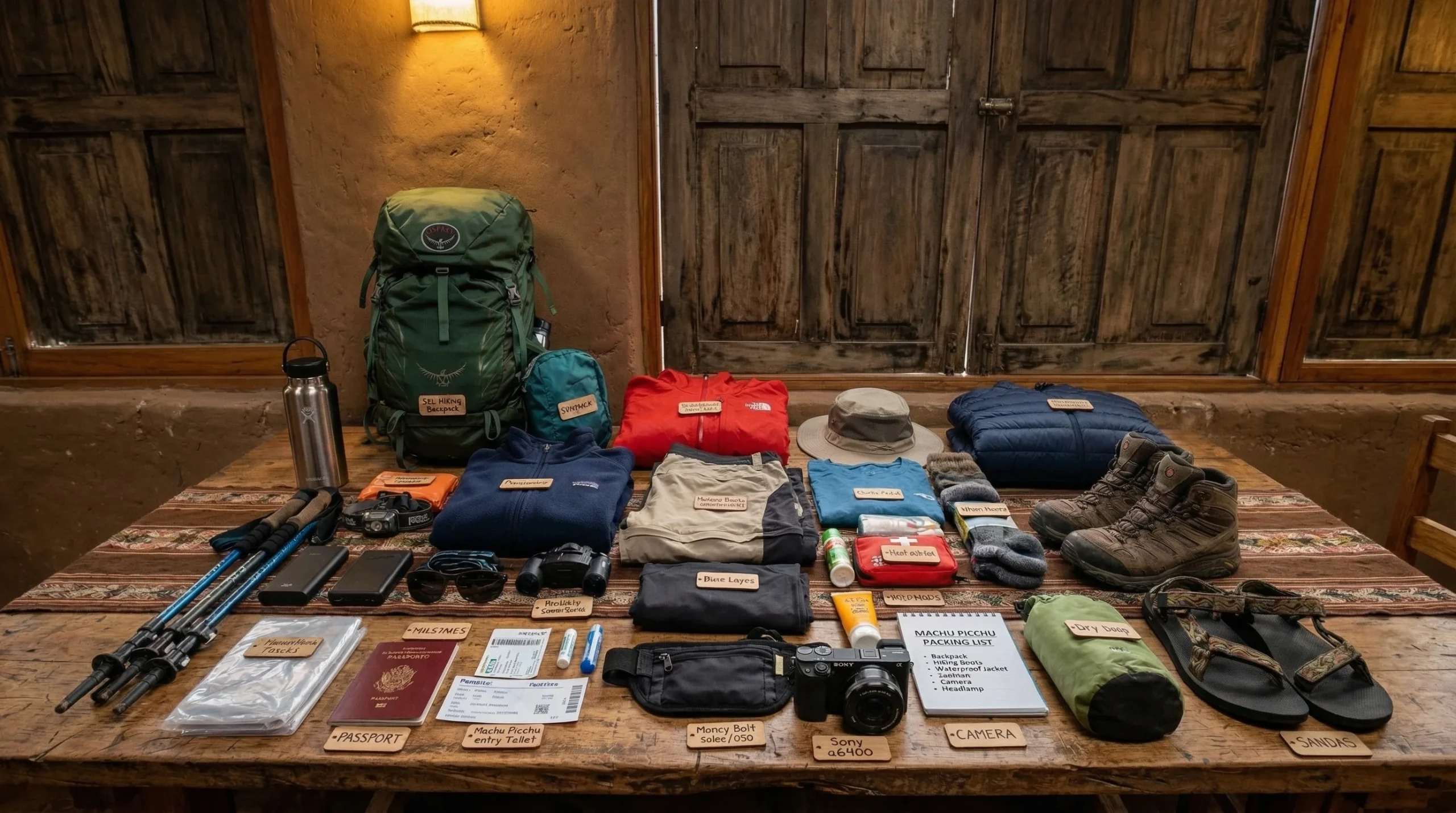
To ward off altitude sickness, particularly in Cusco and Machu Picchu, you really ought to ease in. Try spending a day or two at a lower elevation before heading up. Make sure to drink plenty of water, steer clear of alcohol and big meals and if you’re feeling the effects, consider sipping on some coca tea or taking altitude sickness medication. For detailed health advice, consult the CDC travel guide for Peru.
Most travelers do not need a visa to visit Peru for tourism purposes. If you’re from the U.S., Canada, the U.K., the European Union, Australia, or a bunch of other places, you can typically get in without one for up to 90 days. Still, it’s always smart to double-check with your local Peruvian consulate for the most up to date entry rules.
Peru’s official money is the Peruvian sol (PEN); On the other hand, dollars are actually accepted pretty widely in the big cities, hotels, and all those touristy spots. For local markets and smaller places, though, it’s a smart move to have some smaller sol bills on you. You’ll find ATMs in most towns, and credit cards are definitely good to go in plenty of locations. Check the current exchange rate at the Central Reserve Bank of Peru.
Peru boasts endless marvels, everything from the Amazon to the Nazca Lines, yet Machu Picchu truly stands as the undisputed highlight of the country’s top guided tours. Visiting Machu Picchu isn’t merely about gazing at old ruins; it’s about diving deep into the heart of Inca civilization, grasping their incredible engineering, profound spiritual meaning, and lasting impact.
The very best guided tours in Peru feature expert-led trips to Machu Picchu, making sure visitors don’t just observe the site but genuinely feel it. A well-informed guide will lay out the citadel’s history, the temples’ roles, and the astronomical connections that made the Incas such advanced builders. Plus, a guided tour takes away all the hassle of sorting out transport, permits, and tickets, letting you simply soak in the sheer beauty and magic of it all.
While visiting Machu Picchu on your own is an option, opting for Peru guided tours truly elevates the entire experience in multiple ways. Initially, managing all the logistics can get complicated think securing your train tickets and entry passes, then figuring out transportation between Cusco, the Sacred Valley, and Aguas Calientes. A guided trip completely removes any uncertainty, guaranteeing a smooth journey from beginning to end.
Beyond simply handling the logistics, having an expert guide at Machu Picchu makes history genuinely come alive. Instead of just walking through the ruins, you’ll gain deeper insights into the Inca’s ingenious engineering techniques, their cultural beliefs, and what their daily lives were like. Moreover, many of these guided trips include visits to other essential sites, such as the Sacred Valley, Moray, and the Maras Salt Mines, offering a much richer appreciation of Peru’s diverse heritage.
For those embarking on treks like the Inca Trail or the Salkantay, a guided tour is absolutely vital for safety, navigation, and a truly immersive experience within Peru’s stunning natural landscapes. Local guides don’t just ensure you stay on track; they also share captivating stories, local myths, and traditions that make the entire adventure far more meaningful.
You can compare the trekking options based on your physical condition and the time you have available for your trip. The classic Inca Trail is very famous and requires booking months in advance to secure a camping spot. If you want multi day treks with hiking and camping options but prefer fewer crowds you should definitely check out the Salkantay or Lares routes since they offer amazing nature views and a much more flexible schedule. The Classic Inca Trail requires permits issued by the SERNANP (Peru’s national park authority), which sell out months in advance.
The main difference is that private tours offer complete flexibility for your family while small group tours are much more affordable for solo travelers. Private Machu Picchu tours for families with kids are highly recommended because the guide goes at your own pace and tailors the whole experience to your needs. On the other hand joining tour groups with small sizes is a great way to meet other travelers and get the best deals without feeling rushed.
You should expect high end train travel gourmet meals and stays at premium hotels near the archaeological site. A luxury Machu Picchu experience includes exclusive guided tours where everything is perfectly tailored to your personal comfort. You can find recommended tour companies offering luxury tours by reading recent traveler reviews and looking for agencies that specialize in customized premium itineraries.
You can find affordable tour packages from Cusco by booking day trip options starting directly from Aguas Calientes. Many local tour operators offer short itineraries that include the essential guided tour without expensive extras. Sometimes you can even find last minute Machu Picchu tour deals and discounts if you travel during the low season but it is always safer to book your train and entry tickets ahead of time.
You can choose the safest tour company by reading reviews of Machu Picchu tour operators on trusted travel platforms before making a decision. Always look for sustainable tourism companies that respect local communities and protect the environment. To book securely online you must verify that the agency has a reliable payment system and a solid track record of offering safe guided tours to Machu Picchu.

Machu Picchu Trips
From scenic train rides to adventurous treks, our Machu Picchu trips are crafted to connect you with the magic of this Wonder of the World. Whether you are looking for a once in a lifetime hiking experience, a cultural escape, or a relaxed journey with expert guides, we have the perfect option for you.
Let us take care of every detail so your only task is to enjoy the path, the history, and the breathtaking views. Start planning your trip today and live a story worth telling.
Machu Picchu Travel Blogs
Explore our most popular articles from the Peru Travel Blog, where we share practical recommendations, cultural insights, and inspiring stories to help you plan your next adventure. From famous trekking routes like the Inca Trail and Salkantay to the hidden corners of Cusco, these posts are favorites among travelers seeking an authentic and in depth experience in Peru.
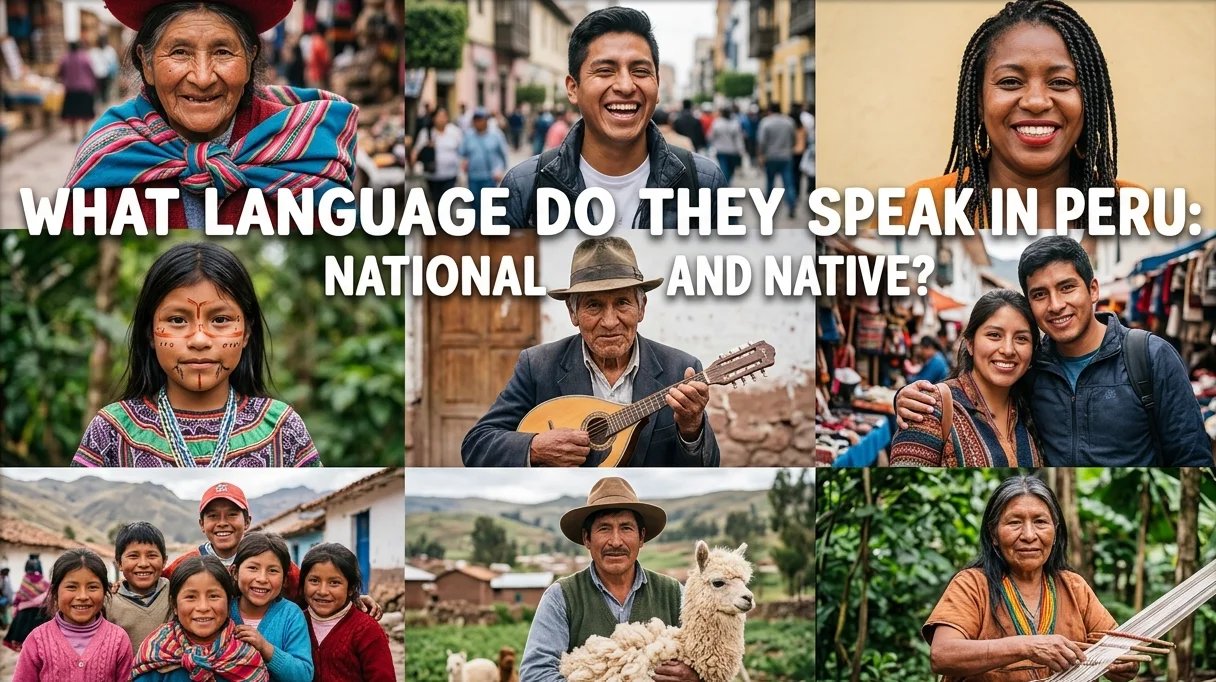
The most important languages spoken in Peru are Spanish Quechua and Aymara alongside nearly 50 distinct indigenous Amazonian languages. If...
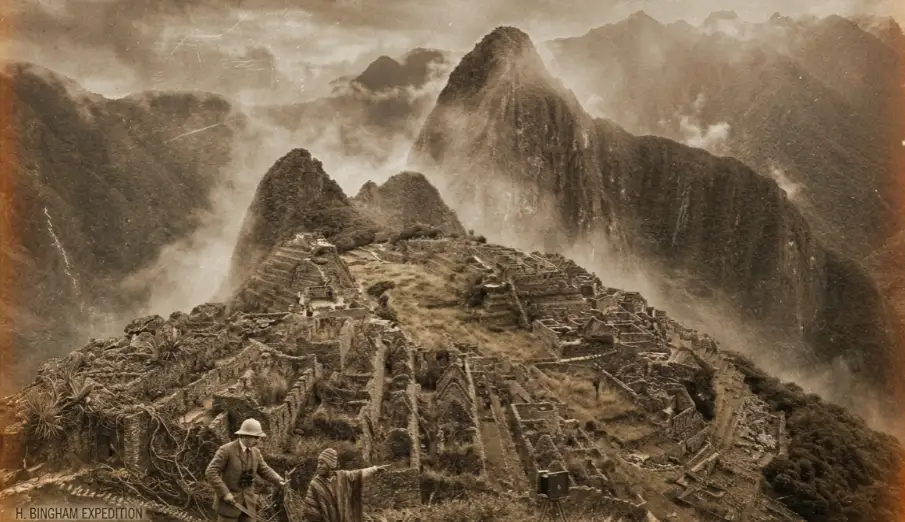
Historically, the primary reason why was machu picchu abandoned is that the Spanish invasion and a devastating Inca civil war...
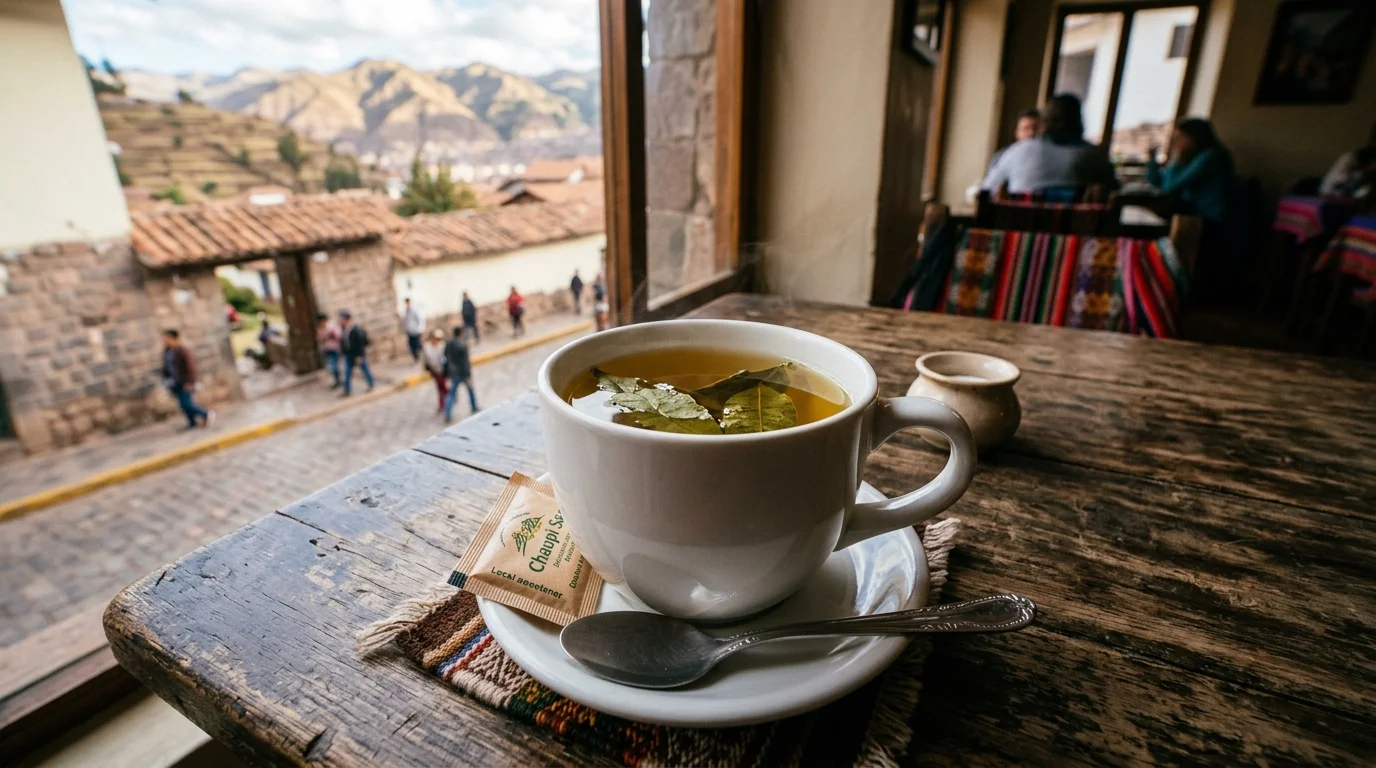
Mate de coca is an ancient Andean infusion used primarily to cure altitude sickness instantly, boost natural physical energy, and...